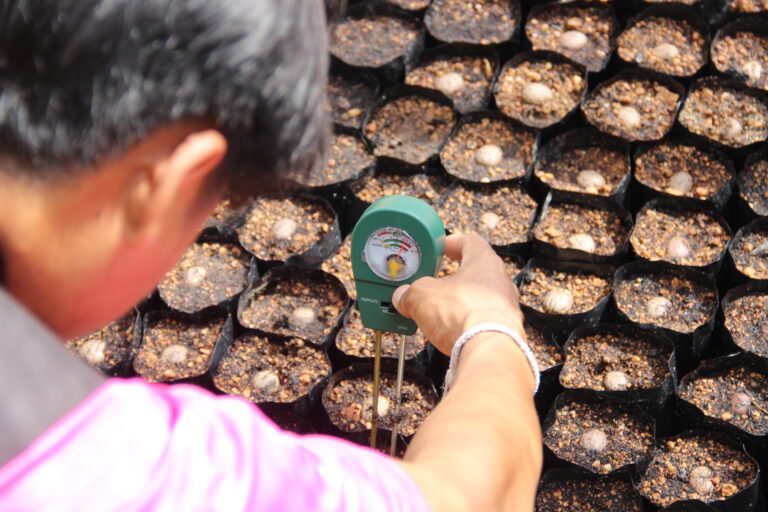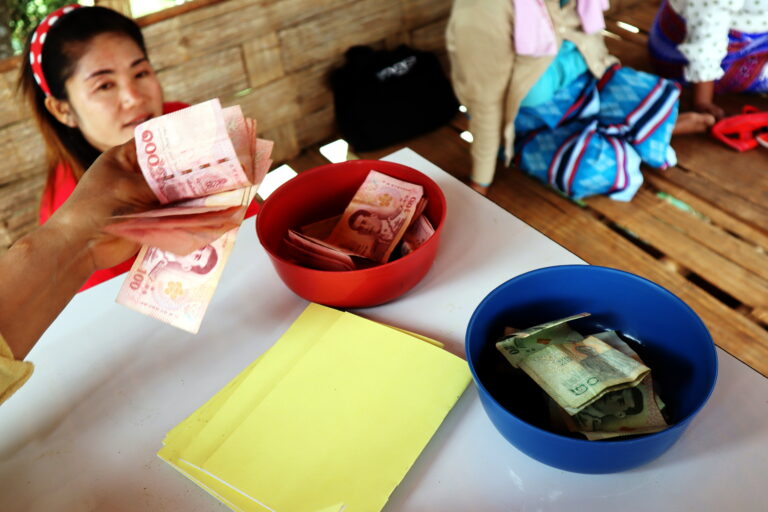
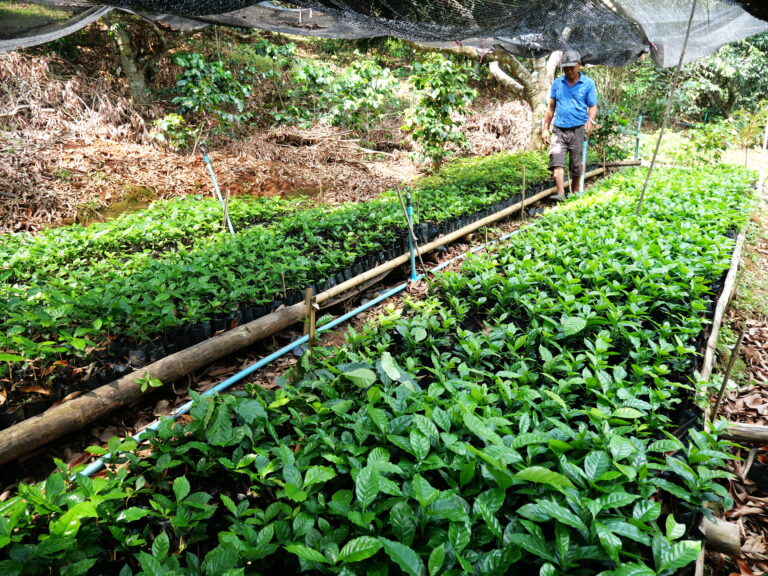

Today, UHDF is advancing community development through various projects, working with more than 100 communities across four key areas:
1.Environmental Restoration
2.Community Economic Development
3.Rights and Networks
4.Spiritual Renewal Curriculum
These efforts are being implemented across four major watersheds, with the goal of strengthening communities, restoring natural resources, and supporting sustainable livelihoods.
Due to the ethnic diversity within the watershed, the area is home to a rich variety of traditions and cultures that reflect the ways of life, beliefs, and local wisdom of the different communities living there. Most communities in the area rely on agriculture as their main livelihood, including the cultivation of corn, bananas, upland rice, and integrated farming, while drawing on local knowledge to support their livelihoods and sustainably manage natural resources.

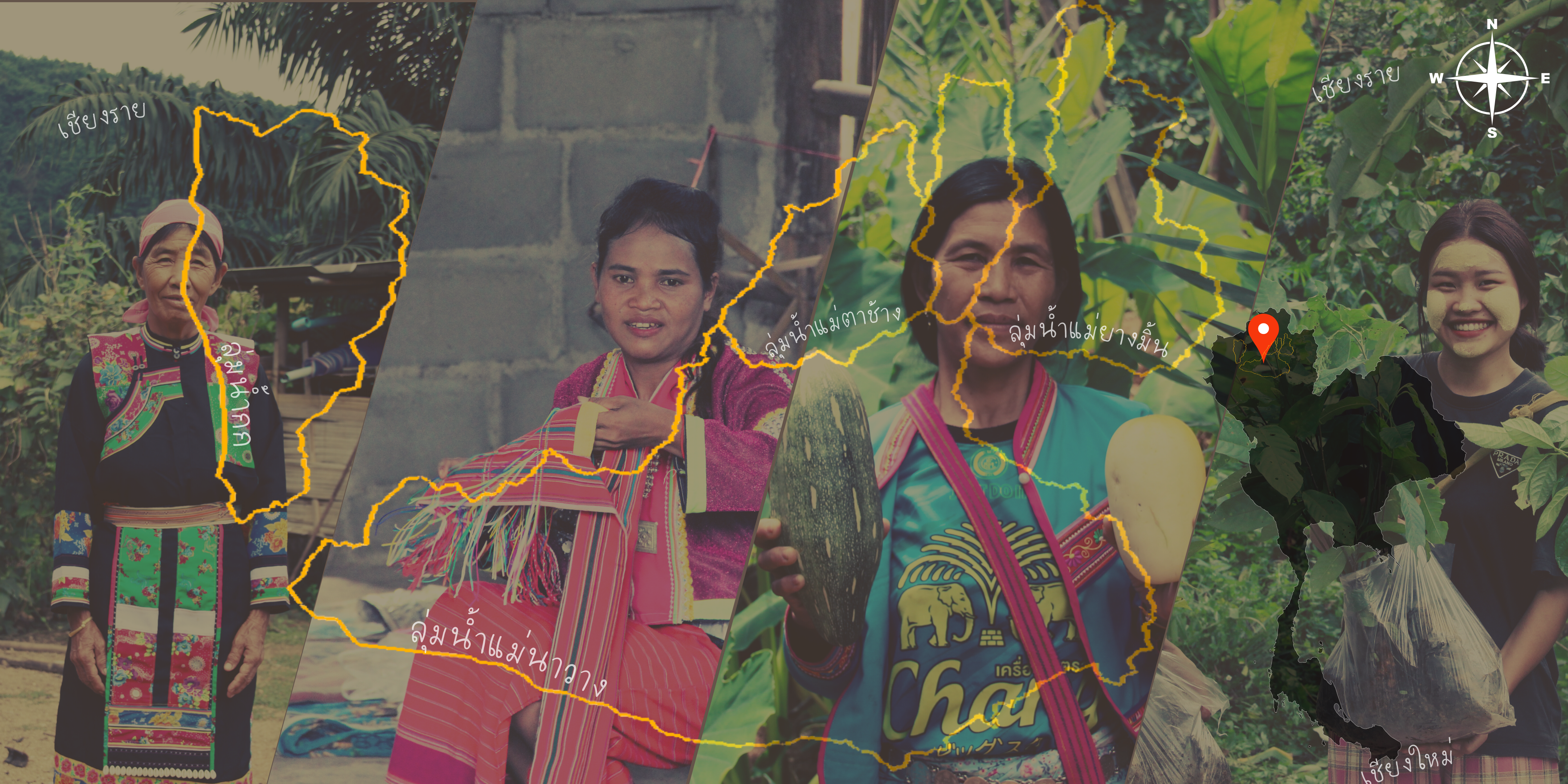
Mae Na Wang Water Shed
ลุ่มน้ำแม่นาวาง
Mae Na Wang Water Shed is located in Mae Na Wang Subdistrict, Mae Ai District, Chiang Mai Province. The area is characterized by highland and mountainous terrain, with elevations reaching approximately 1,200 meters above sea level.
The watershed is home to diverse ethnic communities, including the Lahu, Lisu, Karen, and Dara-ang, each with its own cultural traditions, ways of life, and local knowledge. These communities have developed livelihoods that are closely connected to the surrounding natural resources and environment.

Namkhok Water Shed
ลุ่มน้ำกก
Namkhok Water ShedIn Thailand, the Kok Watershed covers approximately 7,300 square kilometers. The watershed is home to diverse ethnic communities, including the Lahu, Akha, Mien, Lisu, Pga K’nyau (Karen), Hmong, Shan, Tai Lue, Khmu, and Lao Indochinese.
The Kok Watershed is also rich in traditions and cultural diversity, reflecting the communities’ beliefs, religions, agricultural ways of life, and close relationship with nature.

Mae Ta Chang Water Shed
ลุ่มน้ำแม่ตาช้าง
Mae Ta Chang Water Shed Located in Mae Suai District, Chiang Rai Province, the Mae Ta Chang Watershed is an important tributary of the Mae Lao Watershed, playing a vital role in providing water for household consumption, daily use, and agriculture in the area.
The population within the Mae Ta Chang Watershed consists of diverse ethnic groups, including the Karen, Akha, Lahu, and Northern Thai people, each with their own unique cultures, traditions, and ways of life.

Mae Yang Mint Water Shed
ลุ่มน้ำแม่ยางมิ้น
Mae Yang Mint Water Shed Located in Mae Suai District, Chiang Rai Province, the area is home to the Pga K’nyau (Karen) and Lahu ethnic communities, who continue to preserve their traditional ways of life and cultural practices, closely connected to and dependent on the surrounding natural resources.
Mae Na Wang Water Shed


The Mae Na Wang Watershed is located in Mae Na Wang Subdistrict, Mae Ai District, Chiang Mai Province. The area is characterized by highland and mountainous terrain, with elevations of approximately 1,200 meters above sea level. The watershed is home to diverse ethnic communities, including the Lahu, Lisu, Karen, and Dara-ang.
Due to the ethnic diversity in the area, the watershed is home to a rich variety of traditions and cultural practices, reflecting the ways of life, beliefs, and local wisdom of the different communities living there. The main livelihoods include agriculture, such as growing field crops, garden crops, corn, beans, and fruit, as well as livestock raising, including chickens and pigs. Some community members also engage in traditional handicrafts, such as weaving.

Namkhok Water Shed


The NamKok Watershed is the third of Thailand’s 25 major watersheds. It originates in the mountains in the northern part of Kengtung State, Myanmar, and enters Thailand through Mae Ai District, Chiang Mai Province. It then flows through Chiang Rai Province before joining the Mekong River in Chiang Saen District, with a total length of approximately 285 kilometers.
The Kok Watershed in Thailand covers approximately 7,300 square kilometers. It is home to diverse ethnic communities, including the Lahu, Akha, Mien, Lisu, Pga K’nyau (Karen), Hmong, Shan, Tai Lue, Khmu, and Lao Indochinese.
The Kok Watershed is also rich in diverse traditions and cultures, reflecting the communities’ beliefs, religions, agricultural ways of life, and close relationship with nature.
Mae Ta Chang Water Shed


The Mae Ta Chang Watershed is located in Mae Suai District, Chiang Rai Province. It is an important tributary of the Mae Lao Watershed, playing a vital role in providing water for domestic use, consumption, and agriculture in the area.
The population of the Mae Ta Chang Watershed includes diverse ethnic communities, including the Karen, Akha, Lahu, and Northern Thai people, each with their own unique cultures, traditions, and ways of life.
Most communities in the area rely on agriculture as their main livelihood, including the cultivation of maize, bananas, upland rice, and integrated farming. They draw on local knowledge and traditional practices to support their livelihoods and sustainably manage the natural resources around them.
Mae Yang Mint Water Shed


The Mae Yang Min Watershed is located in Mae Suai District, Chiang Rai Province. It is home to the Pga K’nyau (Karen) and Lahu ethnic communities, who continue to preserve their traditional ways of life and cultural practices, maintaining a close connection with and dependence on the surrounding natural resources.
Communities in this area believe that all things in nature are protected by guardian spirits. As a result, they continue to observe important annual rituals, particularly in June, such as ceremonies to honor the guardian spirit of the village, the spirit of the weir, and the spirit of the watershed source, which are believed to protect the people and the community’s water sources.
Another important tradition is the forest ordination ceremony (Mo Lewe), which expresses respect and gratitude toward the forest for sustaining the lives and livelihoods of the community.
The main livelihoods of people in the Mae Yang Min Watershed are based on agriculture, including the cultivation of rice, corn, bananas, and various seasonal crops, as well as livestock raising.