

14 ปีแห่งการพัฒนาชุมชน ในพื้นที่ลุ่มน้ำห้วยลุ
The community development work in the Huai Lu Watershed began in 2009 (B.E. 2552) and continued for 14 years. The work focused on three key areas: natural resource and environmental management, strengthening the community economy, and spiritual restoration within the community.
Throughout this period, development took place at multiple levels—from individuals and families to community groups and the wider community structure—with the aim of strengthening the community’s capacity to become more self-reliant and sustainable.
Individual and Family Development
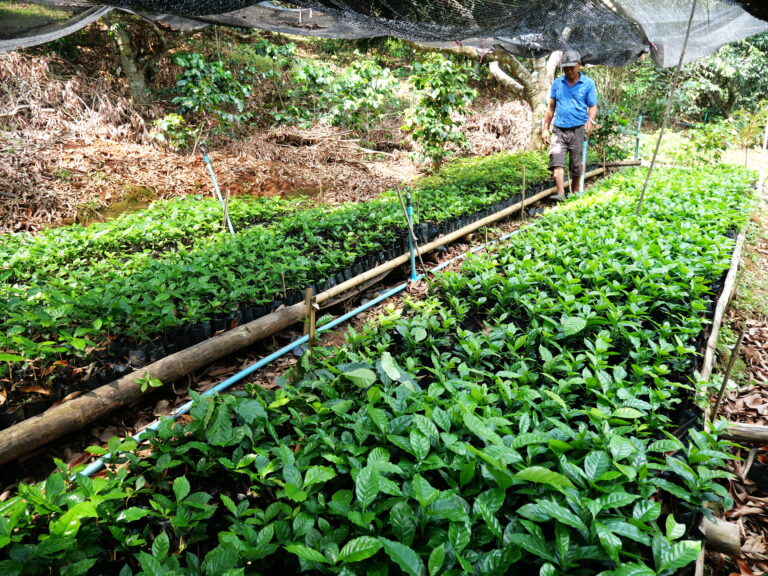
At the family level, community members were encouraged to learn and adopt sustainable farming practices, such as agroforestry, which increases plant diversity within the same area and reduces reliance on monocropping.
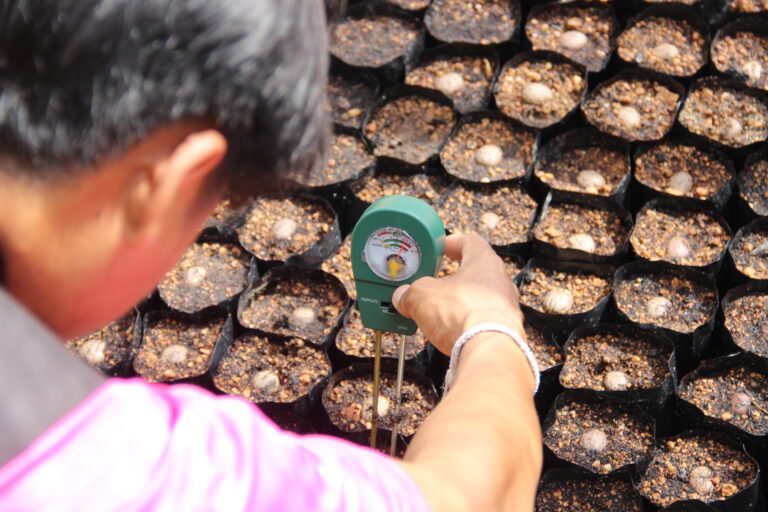
Families were also supported in establishing soil conservation plots to reduce soil erosion and protect the quality of their farmland. In addition, home gardens were promoted to help reduce household expenses and strengthen food security.
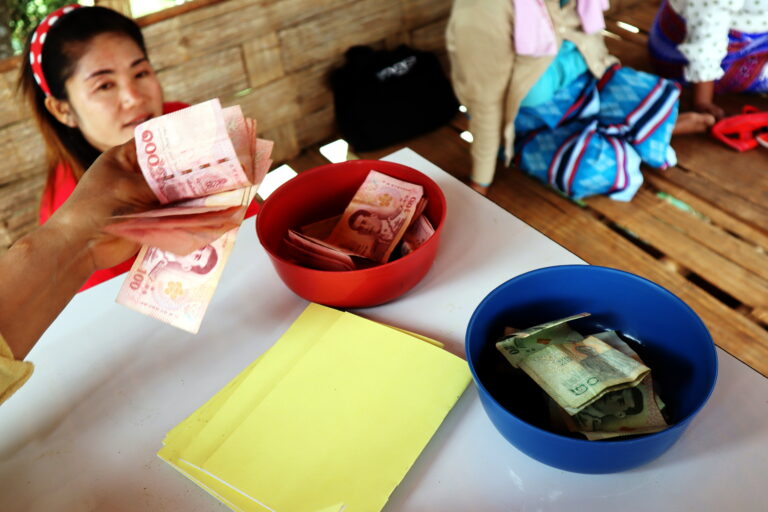
Some families also raised pigs, catfish, and frogs to supplement household income, reduce expenses, and create additional livelihood opportunities.
Community-Level Development
In addition to individual and group development, the community places strong emphasis on natural resource conservation and community-based resource management. This includes establishing community forest management regulations and forming a Community Forest Committee to collectively protect and manage the forest.
The community has also developed a community land database based on the Community Land Title approach to support effective and sustainable land management. In addition, the Upper Mae Yao Zone Kok Watershed Environmental Conservation Network (KOSOM) was established as an important mechanism for coordinating and driving environmental conservation and development efforts across the area.
From the First Day to Today, the Huai Lu Watershed has transformed from communities facing significant challenges into strong and increasingly sustainable communities—communities that have learned to care for themselves and are ready to pass on this knowledge to future generations.
Historical Work in the Community
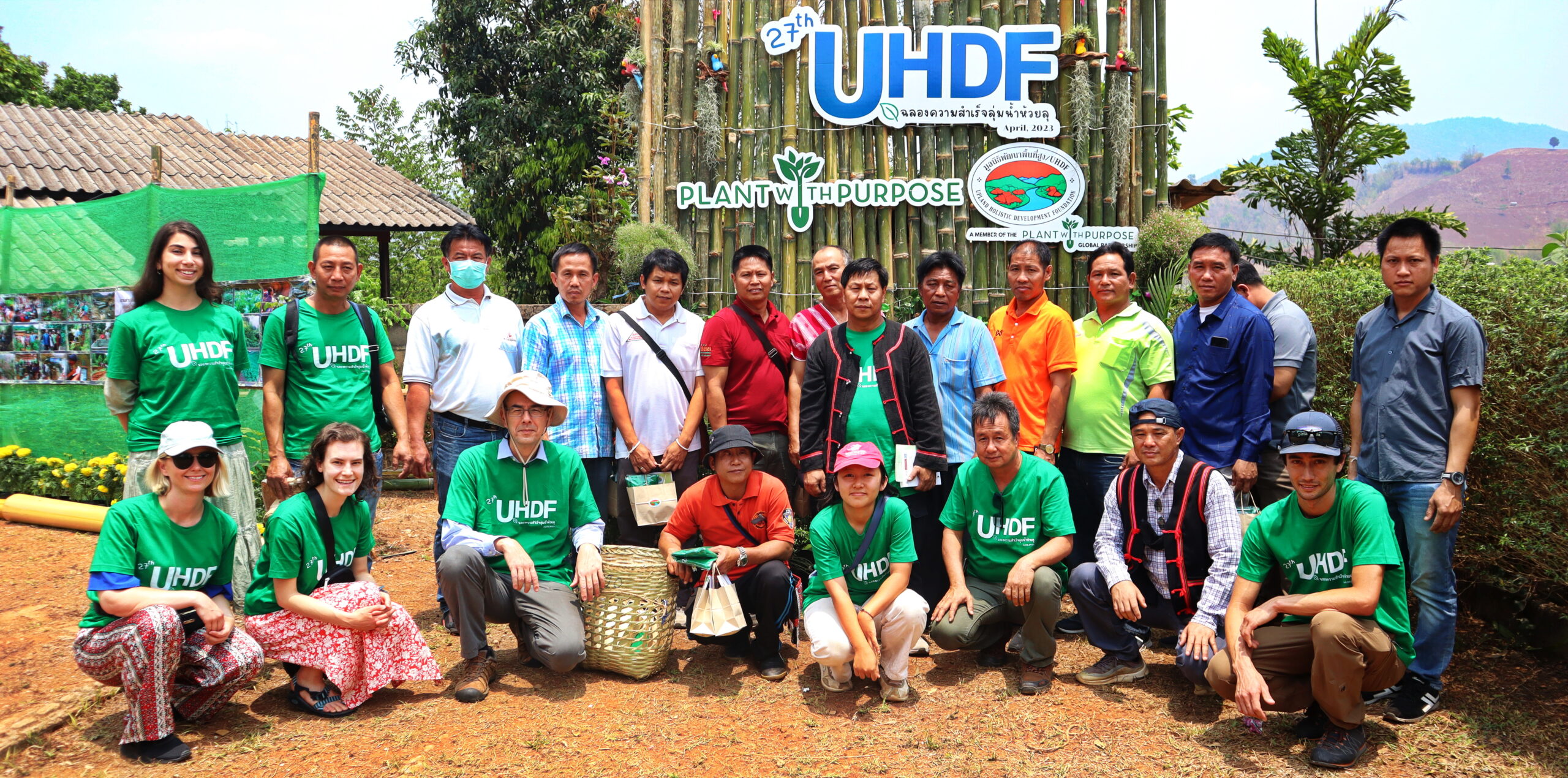
2023: A Year of Celebration