

The Story of a Farmer from Ban Huai Khok Moo, Mae Na Wang Watershed
In the past, this land was overgrown with weeds and had severely degraded soil.
“At that time, my family didn’t know what crops to grow. The land was degraded, and whatever we tried to plant rarely produced good results. We had almost lost hope for this land.”
But a turning point came when the Upland Holistic Development Foundation/UHDF began implementing livelihood development and natural resource conservation activities in the Mae Na Wang Watershed. Villagers were introduced to the concept of agroforestry, which promotes growing a variety of crops together within the same system, allowing nature to recover while creating income for farmers.
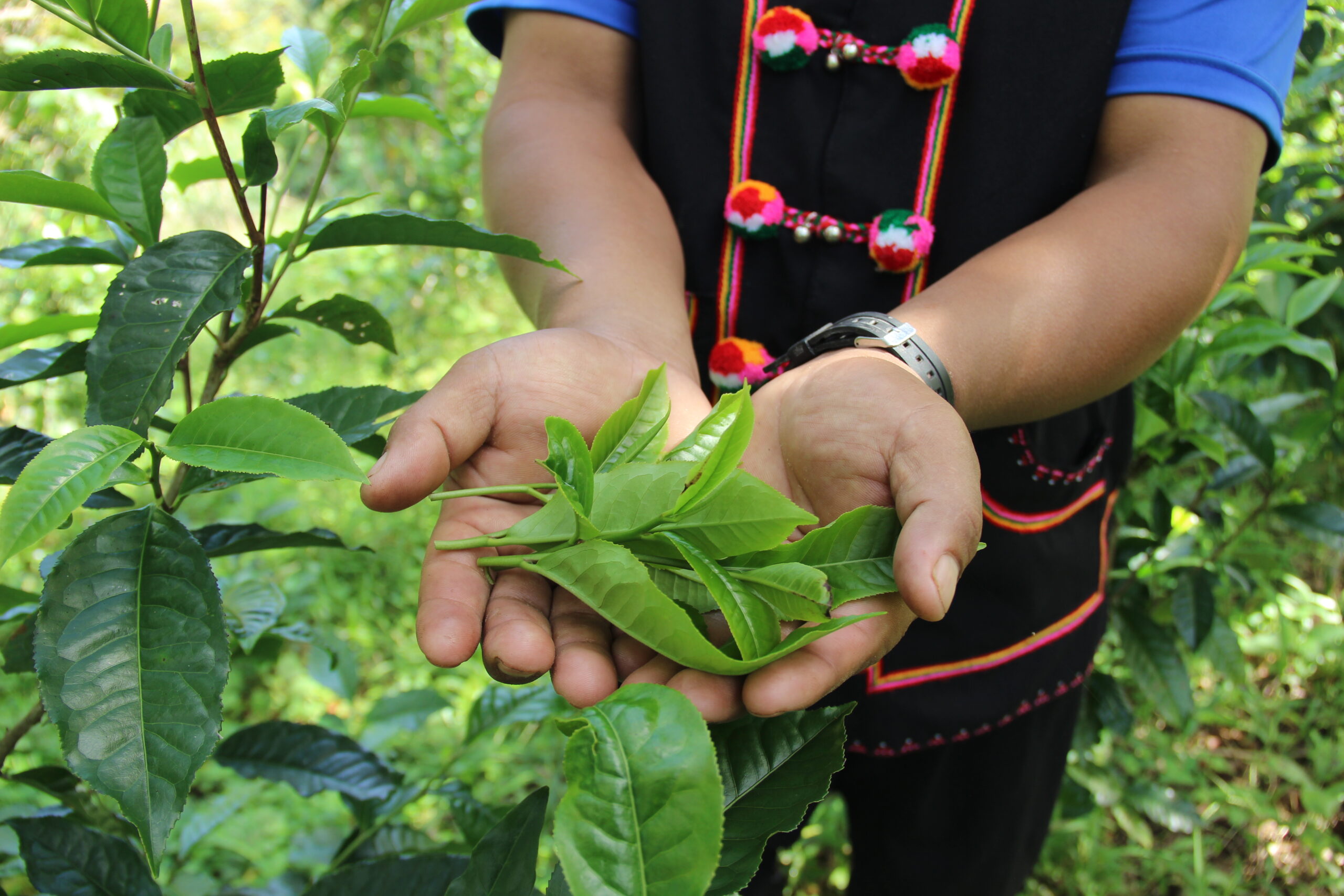
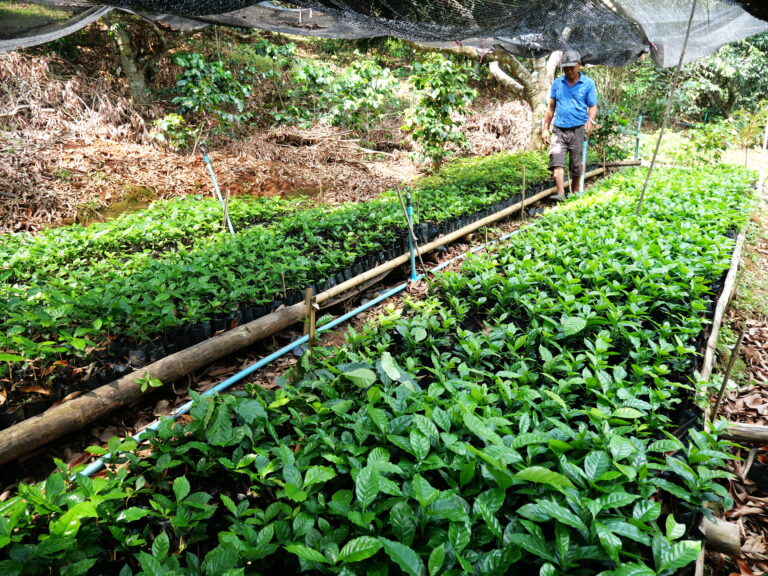
Farmers in Ban Huai Khok Moo began developing a “Tea Garden Agroforestry Plot” on a few rai of land, with tea as the main crop alongside a variety of fruit trees such as bananas, avocados, mangoes, and oranges, as well as perennial trees that help retain moisture in the soil.
The land that was once dry, overgrown with weeds, and seemingly unproductive has now become a lush and vibrant garden once again.
“Today, our plot is green and full of different fruit trees. There is produce for us to harvest and eat. What was once empty has become a diverse and productive area, and the land has been restored once again.”
Growth That Continues Year After Year
The tea garden does not stop growing after its first year of planting. It continues to be cared for and developed year after year.
The farmer explains:
“Every year, I continue planting more seedlings among the existing trees, including forest trees and fruit trees. This helps increase the diversity of the plot and retain moisture in the soil.”
Planting additional trees each year not only creates a multi-layered garden, but also provides shade that helps the tea plants grow better and creates habitats for small animals to return. It is a gradual process of ecosystem restoration, built through consistent care and commitment.
Today, the tea garden provides more than just tea leaves for household consumption. It also produces fruit and medicinal plants grown among the tea trees, including Indian gooseberries, mangoes, bananas, and seasonal vegetables.
Planting additional trees each year not only creates a multi-layered agroforestry system, but also provides shade that helps the tea plants grow better and creates habitats for small animals to return. It is a gradual process of ecosystem restoration, built step by step over time.
With dedication and consistent care, this tea garden now provides more than just tea leaves for household consumption. It also produces fruit, medicinal plants, and seasonal vegetables grown among the tea trees, including Indian gooseberries, mangoes, bananas, and a variety of seasonal garden vegetables.
“From Degraded Land… to a Living Tea Garden”
The story of Ban Huai Khok Moo reflects the power of small beginnings—rooted in commitment and collaboration. It is a story shaped by the principle of “People and Forests Living Together Sustainably,” which the Upland Holistic Development Foundation/UHDF is committed to promoting.
The Impact
1.Restoring degraded land and bringing it back to life
2.Increasing food sources and household income
3.Reducing chemical use and promoting safe food
4.Strengthening biodiversity
5.Creating a learning space and inspiring other communities