

Eco-Edu School Project: Clean Air, Plant Trees, and Conserve Native Fish
Eco-Edu School: Fish Conservation in Schools
The School Aquatic Animal (Fish) Conservation Project aims to develop students’ knowledge, understanding, and awareness of protecting water resources and the environment. The project begins by introducing students to the importance of aquatic animals and aquatic ecosystems, helping them understand the role of fish in nature and recognize the impacts of habitat destruction. Students will also learn about native fish species that should be conserved as part of their local ecosystems and heritage.
Beyond classroom learning, the project encourages students to develop a sense of responsibility for water and environmental conservation. Students learn the importance of keeping natural water sources clean and adopting environmentally friendly practices, such as reducing the use of chemicals and preventing waste from entering waterways and damaging aquatic ecosystems.
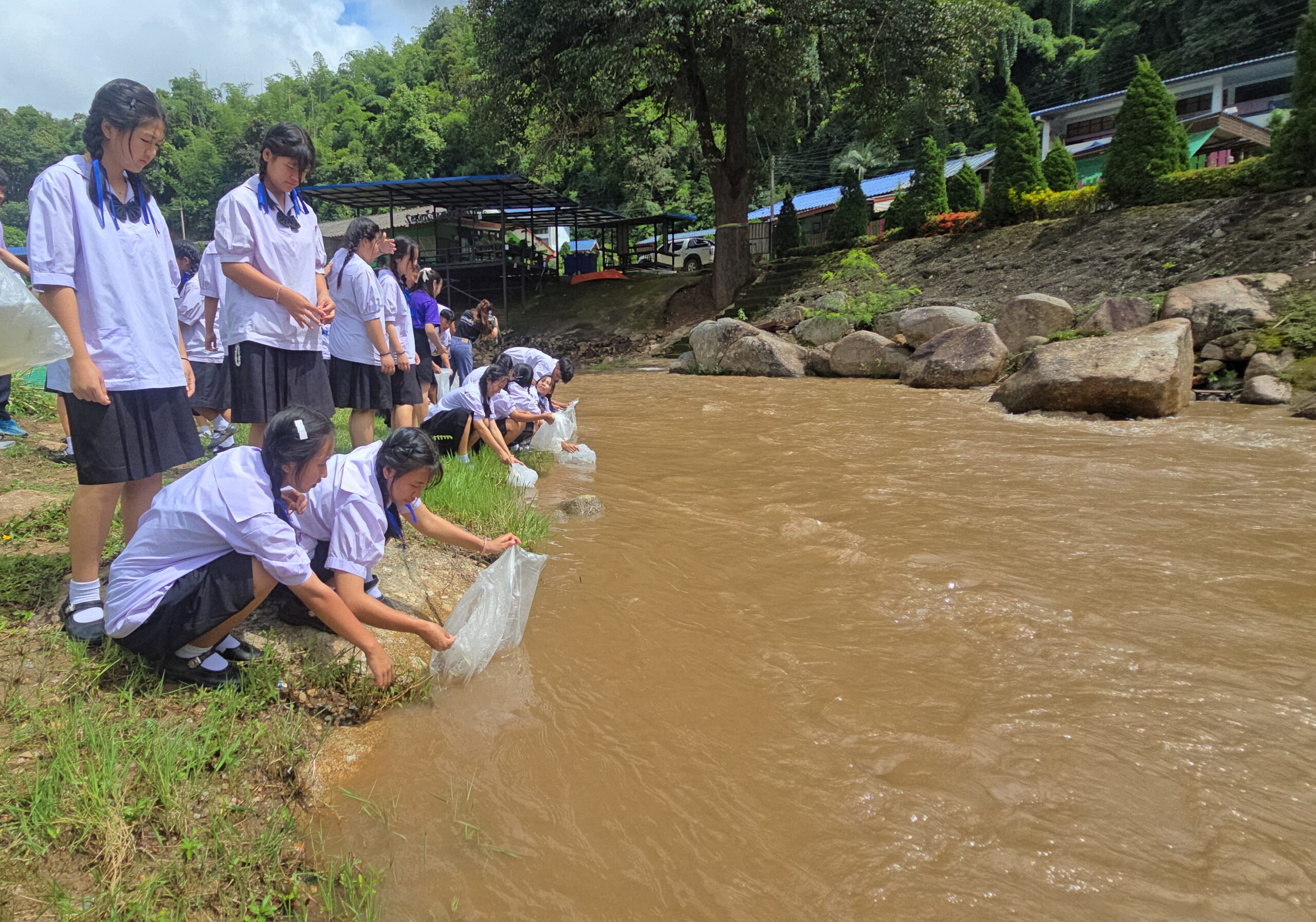
A key component of the project is hands-on learning. Students gain practical experience through activities such as fish breeding and raising fish at school. This may include creating educational fish ponds or, where appropriate and in coordination with relevant authorities, releasing native fish into natural waterways to support the recovery of local aquatic populations. These activities allow students to learn through direct experience and develop a deeper understanding of conservation.
Conservation learning can also be integrated into subjects such as science, social studies, and art, helping students understand the connection between natural resources and everyday life. Through projects, experiments, and field activities, students are encouraged to think critically and take action.
Another important goal is to build collaboration among schools, communities, and external organizations, such as the Department of Fisheries and local administrative organizations. These partnerships can facilitate knowledge sharing, expand conservation efforts, and build a network of green schools working together for environmental sustainability.
Ultimately, the project aims to empower students to become young environmental conservation leaders—able to raise awareness, share knowledge, and organize activities that protect native fish and aquatic ecosystems both within their schools and throughout their communities. Through these efforts, students can help build a society that truly understands, values, and cares for nature.
School Tree Seedling Nursery Project
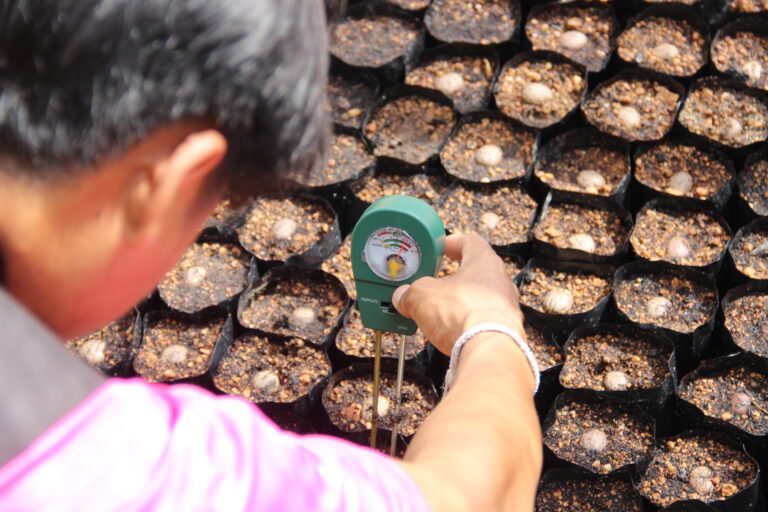
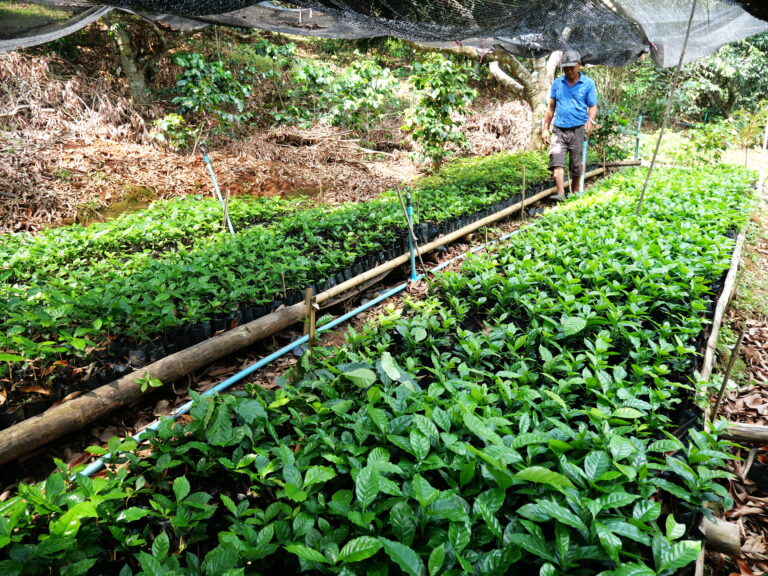
The School Tree Seedling Nursery Project aims to encourage students to learn about and appreciate the importance of trees to ecosystems and the environment. Students will learn about the role of trees in absorbing carbon dioxide, providing habitats for wildlife, and maintaining soil moisture. At the same time, they will gain practical, hands-on experience in germinating seeds, caring for seedlings, and propagating plants.
Beyond being an environmental learning space, the nursery helps cultivate a sense of responsibility for natural resource conservation. Students are encouraged to recognize the value of trees and forests while taking an active role in increasing and caring for green spaces both within the school and in the surrounding community.
The nursery also serves as a learning and agricultural skills center, allowing students to understand the tree-growing process from seed to planting in real locations. These basic agricultural skills can be developed further for future livelihoods and everyday life.
Seedlings produced at the school can be planted around the school grounds to increase green space, reduce heat, provide shade, and improve the school landscape. The trees can also create an outdoor learning environment for students and teachers.
In addition, the project supports community tree-planting and nature restoration activities. Seedlings can be planted in degraded areas or distributed to community members for further planting, creating a practical partnership between schools and communities in caring for natural resources.
Ultimately, the project aims to strengthen teamwork, volunteerism, and community participation within the school. Students learn to share responsibilities and support one another in caring for the nursery, while teachers, students, and community members have opportunities to work together to plant trees. Through these shared actions, the project helps nurture a lasting spirit of conservation and collaboration for a more sustainable environment in the future.